
We hope our customers never have to deal with misplaced anchor bolts. However, if you’re reading this article, you’re likely already too late. If you came out to your poured concrete slab to find that your anchor bolt measurements are off, we know your pain. Fortunately, no matter how bad the situation may seem, there is a solution. How much of a bad time you’re in for depends on how far out of alignment your anchor bolt placement is.
If you happen to be reading this as a pre-emptive measure, we highly recommend applying the “measure twice and cut once” mentality and turning it up a bit. Think along the lines of “measure twice, then measure again, then make sure nothing has moved and measure again, THEN poor.” We’re happy to review your drawings prior to pouring and can even provide an anchor bolt plan with your building if you got it from us here at GWB.
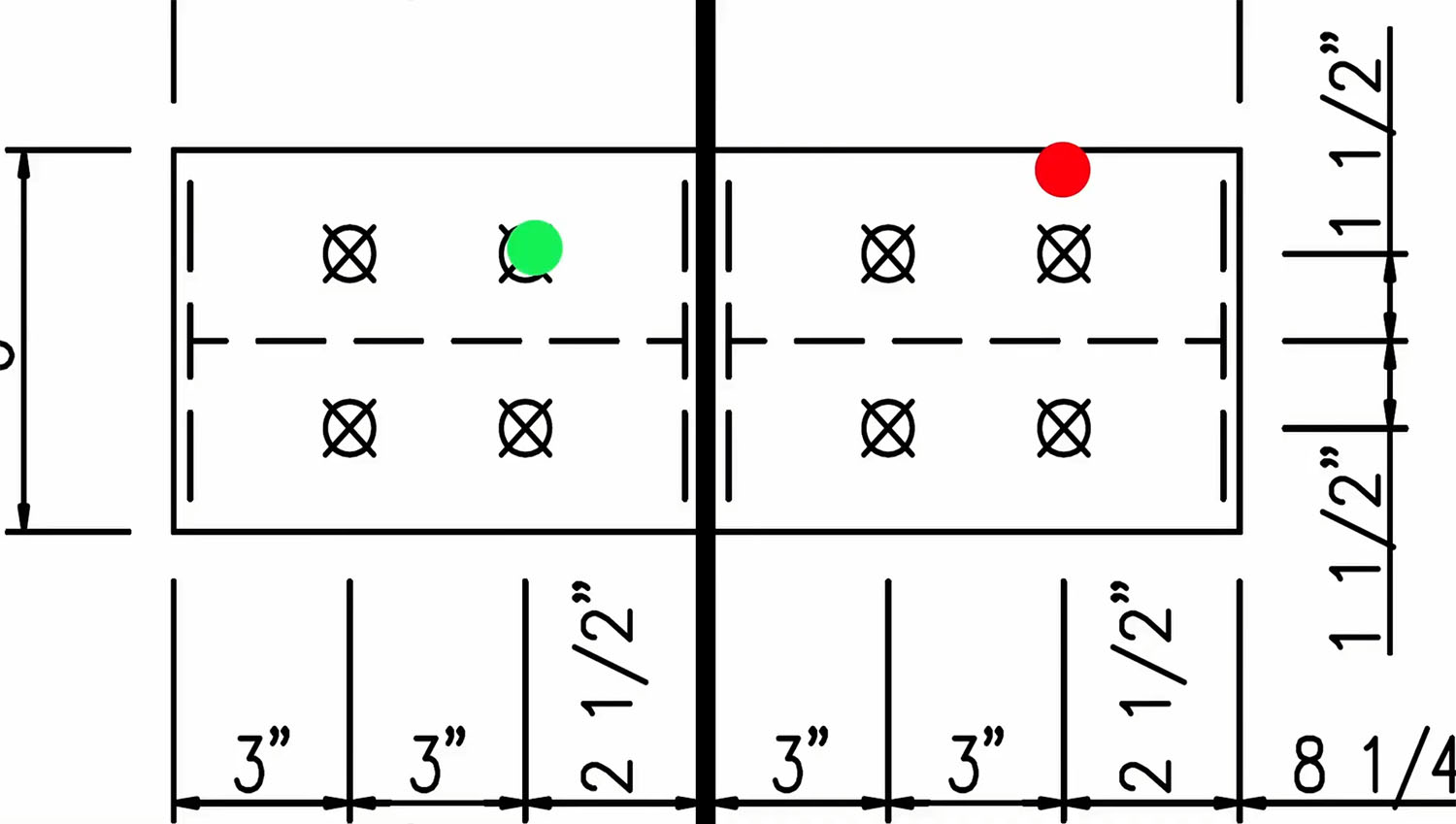
Start by measuring how far the bolts are from their intended locations. Very small tolerances around one-eighth of an inch are usually manageable. Up to one-quarter inch is workable, but more inconvenient. If your bolt is out of spec by inches and is outside the base plate entirely,it is unusable but entirely salvagable by drilling and epoxying new anchors. If this is your scenario, please jump to the section below regarding drilling and epoxying new anchors.
The worst case scenario generally is if a bolt is within its own diameter of the plate edge and less than about one-half inch from its intended location, options become extremely limited, and none are ideal. If this is your particular situation, contact us or your building manufacturer’s support line for recommendations.

If bolts are roughly one-eighth inch to one-half inch out of place, the most common fix is to ream a slot in the base plate. The structural code permits this approach, but it should be reviewed first to ensure all requirements are met. We’re happy to discuss and review these modifications with our customers and recommend that you contact us before modifying your base plates.
When slotting, use a larger washer. In rare cases, typically on very large or high-seismic buildings, puddle welding, or welding the bolt to the base plate, may be required. If needed by the inspector, building authority, or client, we can issue an engineer’s sealed letter approving the field modification for our customers.
You should ALWAYS consult your building’s manufacturer before modifying any building components.
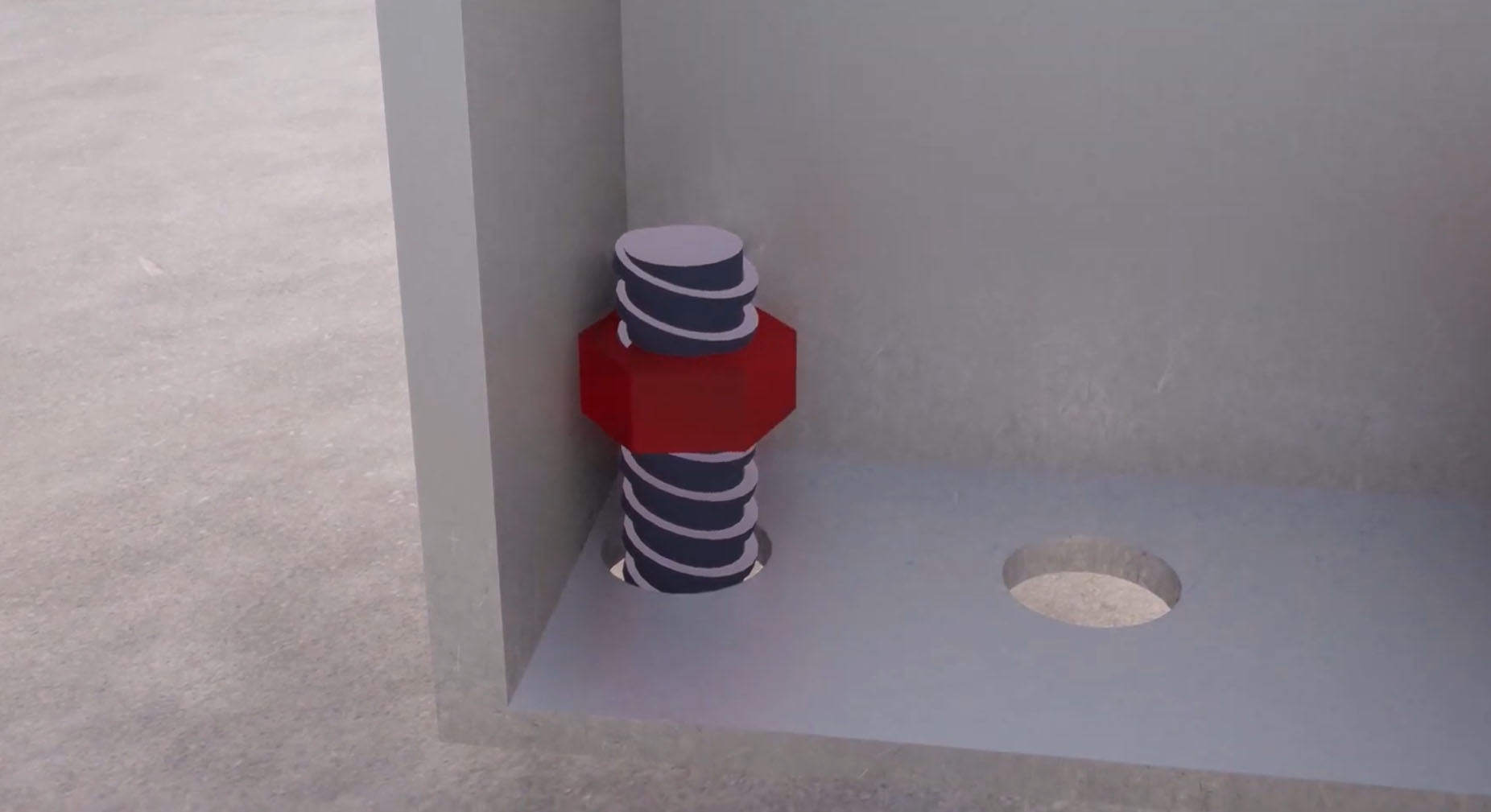
If bolts are more than twice their diameter out of position, drilling new holes in the base plate may be a good solution, provided the new hole edge is at least one bolt diameter away from the plate edge.
Before you commit to drilling a new hole, you’ll need to double-check that your anchor nuts still clear the building’s column components. Ensure the nut rotates freely without contacting flanges or webs during tightening.
Again, as with all fixes that require modifications to building components, contact your building’s manufacturer for review before making any changes.
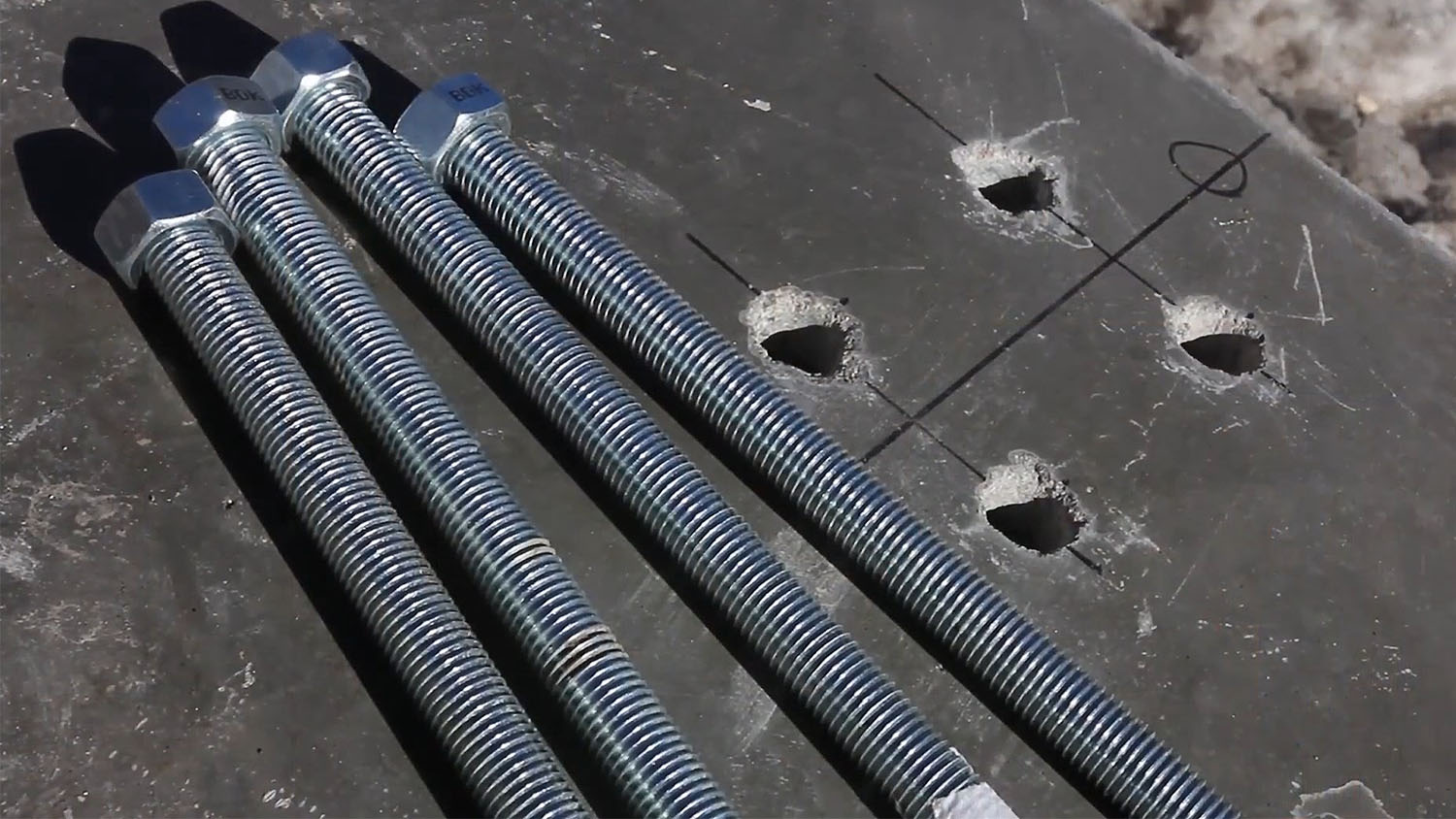
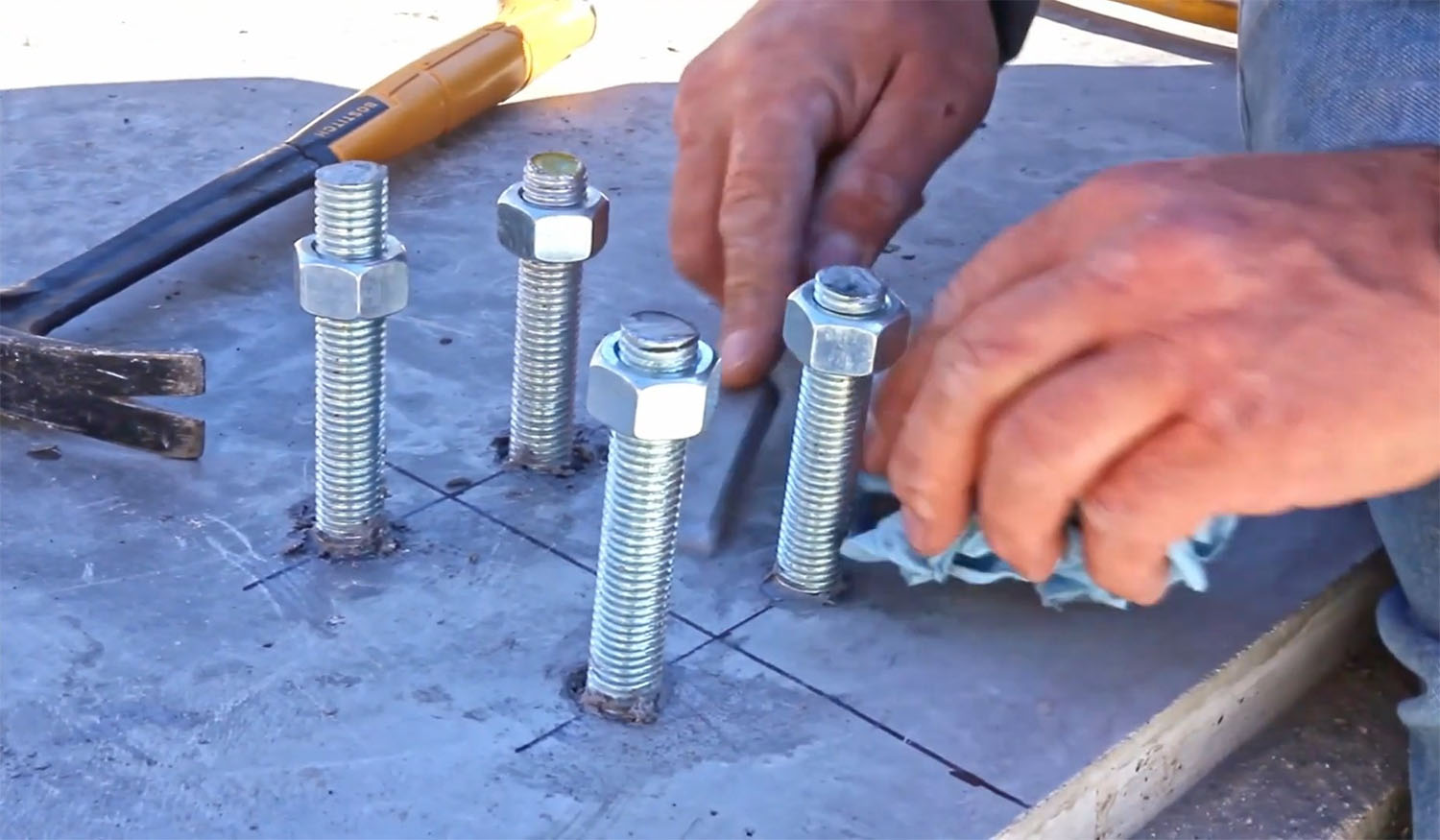
If the bolts are entirely out of alignment and none of the previous options work, new anchors will need to be installed.
Once you are certain the existing bolts cannot be used, cut them flush with the concrete. Lay out the correct bolt locations and use a heavy-duty hammer drill.
NOTE: Wedge anchors should NEVER be used for load-bearing columns. Epoxy set anchors are the only solution we recommend. Furthermore, before making these changes, verify your building’s loading requirements and consult your manufacturer, foundation engineer, and other professionals to confirm you are using the appropriate anchors and adhesives. This is a very serious safety issue.
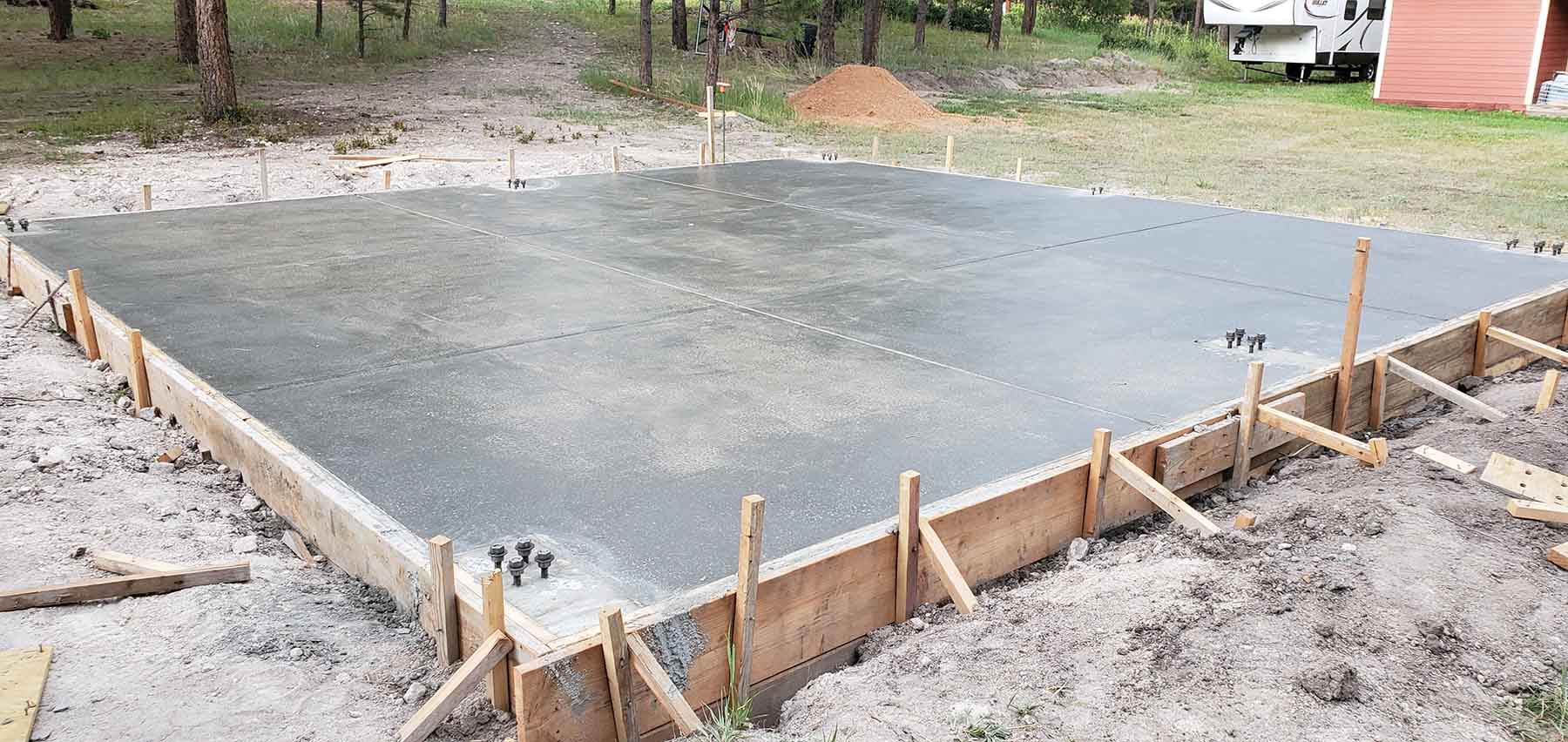
Major fixes, such as removing concrete or rebuilding piers, are very unusual and typically occur only when foundations are at the wrong elevation or location.
While this process can sound intimidating, these are worst-case scenarios. Most issues have straightforward field solutions. The best approach is prevention. Take your time and verify, double-check, recheck, and reverify that anchor bolts are correct before pouring concrete.
If there is any uncertainty, reach out early. Reviewing measurements, photos, or details in advance can save significant time, money, and frustration in the field.
Looking for a place to start? Our sales team is here to help get you exactly what you need. Whether you’re building a shop, garage, a full-blown residence, or a storage or agricultural building, our steel building kits are your perfect solution. Each one is designed and engineered to meet not only your needs, but your local coding requirements so that you can get the job done right quickly and seamlessly, the first time.
You should receive your estimated quote by email shortly. Please keep in mind that this is just an estimate and does not include snow loads, wind loads, county specific code requirements, delivery or design specific engineering calculations related to the structural soundness of the building.
Would you like a response via text message? Opting into SMS indicates you agree to receive SMS messages regarding your request from Great Western Buildings. Message and data rates may apply. Message frequency may vary. To end messaging from us, you may always reply with STOP. You may also reply with HELP for more information.