What makes a Great Western Building so special, and why should you buy one instead of some other brand? It’s a question we hear quite often, and we’re happy to answer! We know that there are virtually endless options for a metal building in our home state of Colorado alone. Moreover, the options for nationwide suppliers of pre-engineered metal buildings are too long to list. So, why go with Great Western?
At Great Western, the buildings we produce are traditional-style pre-engineered metal buildings with solid-web rigid I-beam primary framing (rafters and columns) and a secondary framing system of steel girts and purlins that link the primary structure together. All of these components are steel and make for some of the strongest buildings in the world.

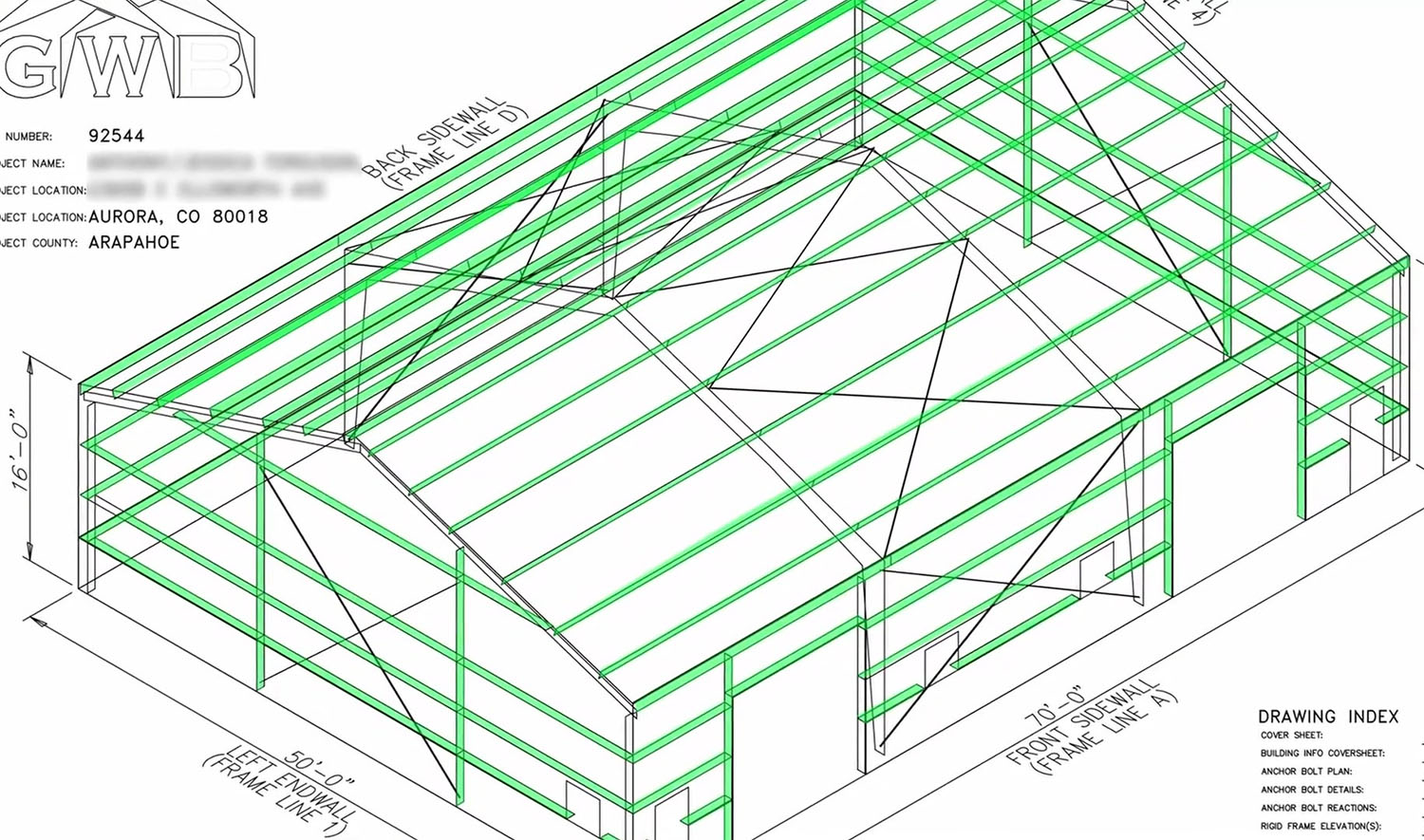
Unlike buildings like quonset huts and car ports, our steel buildings are engineered specifically to meet the conditions and coding requirements of your location. So, things like seismic activity, wind loads, and snow loads are taken into consideration during the design process. Each building we sell is specifically engineered to the customer, their needs, and their local environment and requirements.
In addition, our buildings are specifically engineered with a quick erection process in mind. We design our buildings to be DIY friendly, whether you’re a seasoned construction veteran or a first-time builder. We offer 24/7 customer support throughout the entire design and construction process, and we’re here to help even after your building is finished. In addition, we offer an industry-leading erection manual, a step-by-step guide to putting up your building in great detail. Finally, our product stands out because we manufacture in-house, which means you receive factory-direct pricing, and we offer a lifetime structural warranty.
Let’s take a look at some of the alternatives to a traditional style PEMB that you may find during your research.
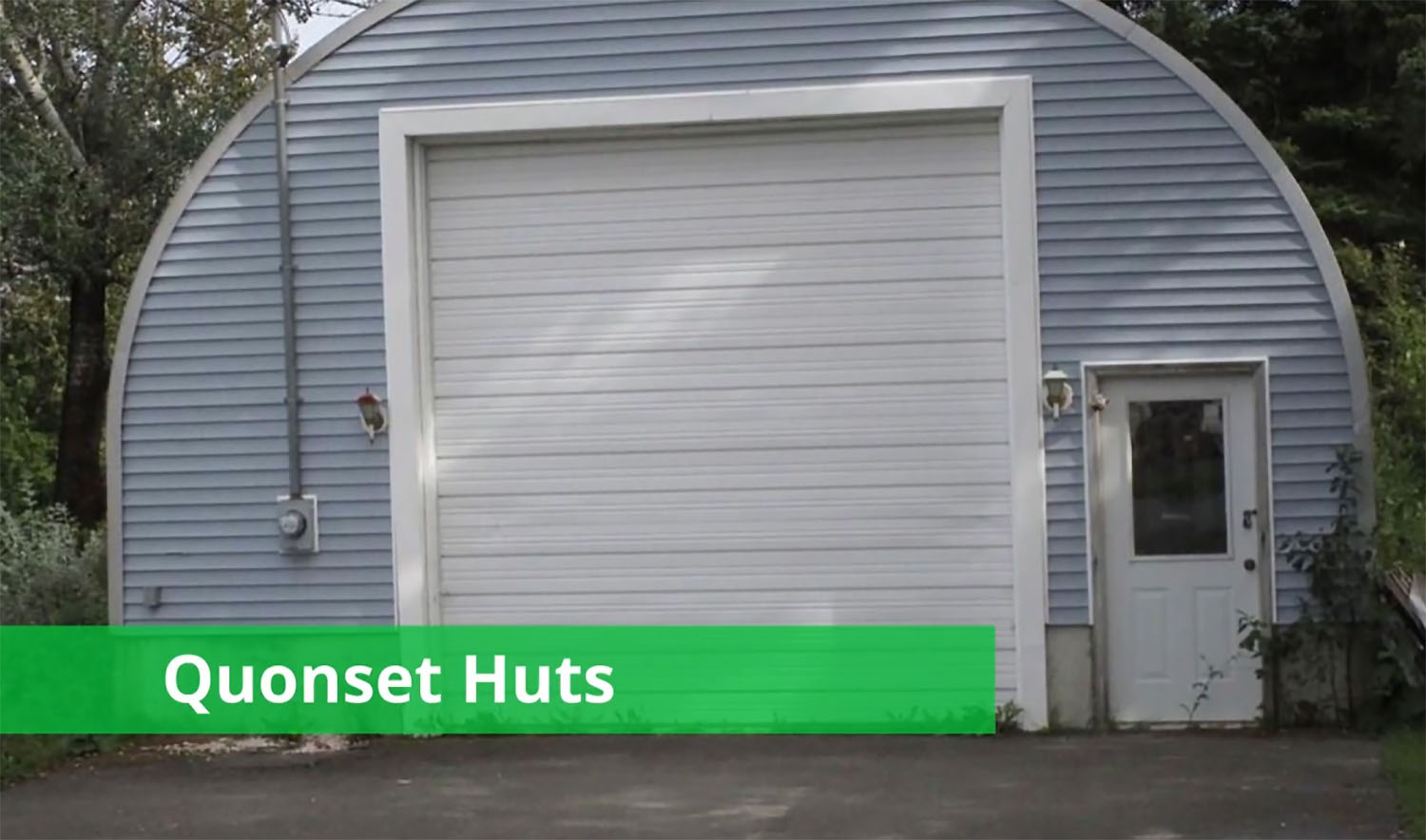
Quonset huts are a staple of American farmland. Their signature rounded shape is identifiable from literal miles away and you’re bound to see dozens if you’re cruising through the Midwest. They’re used for all sorts of purposes, from agricultural and machinery storage to grain storage and even aircraft hangars. They’re popular because of their reasonable longevity, simple build process, and they’re typically inexpensive.
The significant drawbacks of a Quonset hut are its limited flexibility and lack of customization. Insulation systems and custom door and window placement are typically fixed by the manufacturer. In addition, many Quonset huts are sold without endwalls, leaving the end user to build their own solution. Primarily, though, Quonset huts are difficult to get building approval for and often will not meet coding requirements. They’re a cookie-cutter solution, and in a lot of cases, there’s nothing wrong with that. If you need something more robust, catered to your specific use case, and capable of full customization and insulation, a proper PEMB is a far superior choice.

Though some companies may advertise a carport or C-channel style building as a “pre-engineered metal building,” they’re stretching the bounds of that already vague definition by quite a bit. Effectively, these buildings should only be used in cases where you only plan to cover something like a parked car or other machinery. In many cases, they do not require permitting because they are considered temporary structures, which can be alluring to some. If these types of buildings meet your needs, they’re perfectly fine for their intended use. However, be sure to sufficiently affix them to the ground.
Ultimately, these buildings are not remotely in the same league as a proper PEMB and aren’t much of a comparison, despite the fact that some companies advertise them as such.
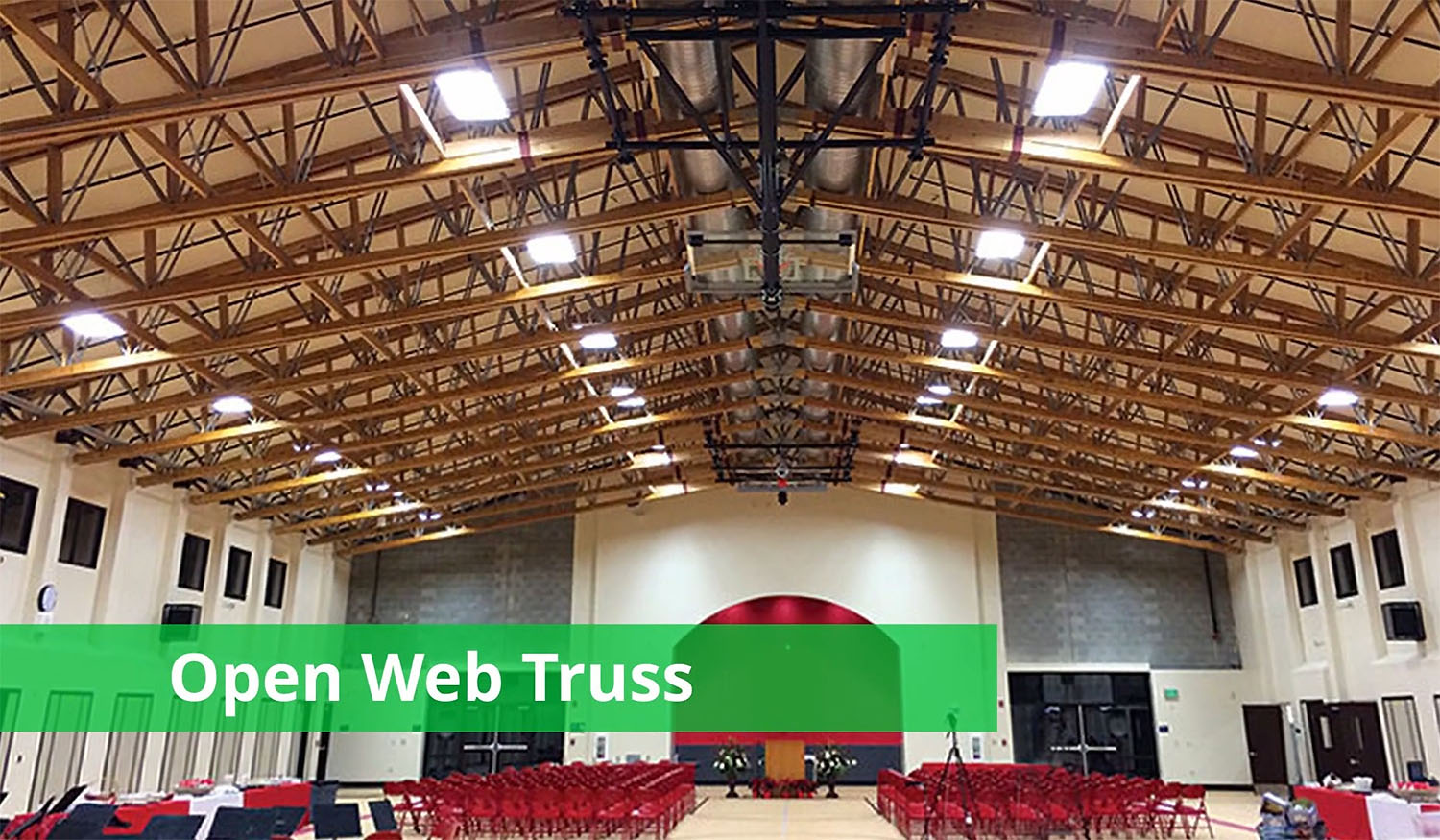
Open-web buildings are a bit of a hybrid between traditional lumber construction and a steel building. Often, you’ll see these types of buildings use steel as the primary framing, but timber as the secondary framing. These buildings are often what your local big-chain supermarkets or home centers use for their businesses.
The primary downside of these buildings is that opting for timber secondary framing negates the advantages of building with steel, for the most part. We’ve discussed in detail the advantages of building with metal instead of timber in the case of pole barns and traditional construction, and this type of building falls victim to the same issues. Longevity of the material from stress, environmental, and even insect impacts is far less substantial than that of steel. In addition, it’s not nearly as strongas a full steel building. In some cases, though, these buildings can be optioned with steel girts and purlins.
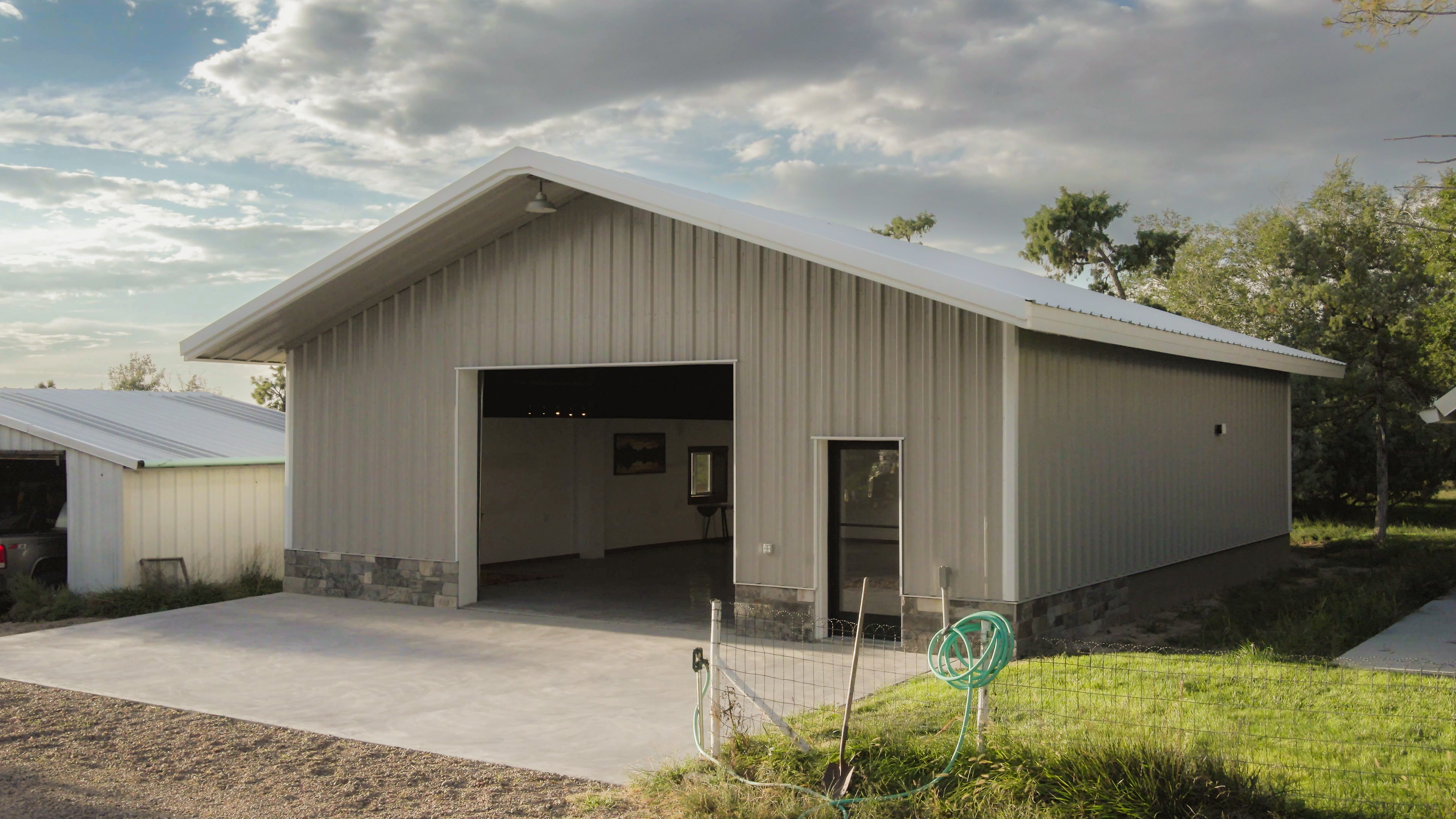
Looking for a place to start? Our sales team is here to help get you exactly what you need. Whether you’re building a shop, garage, a full-blown residence, or a storage or agricultural building, our steel building kits are your perfect solution. Each one is designed and engineered to meet not only your needs, but your local coding requirements so that you can get the job done right quickly and seamlessly, the first time.
You should receive your estimated quote by email shortly. Please keep in mind that this is just an estimate and does not include snow loads, wind loads, county specific code requirements, delivery or design specific engineering calculations related to the structural soundness of the building.
Would you like a response via text message? Opting into SMS indicates you agree to receive SMS messages regarding your request from Great Western Buildings. Message and data rates may apply. Message frequency may vary. To end messaging from us, you may always reply with STOP. You may also reply with HELP for more information.